
Today’s Brief
Tech stopped being “for kids” about two smartphones ago. This week, your TV doubles as a wellness hub, robots fetch water in retirement homes, tele-health grows up, Amazon leans harder into pharmacy, AI listens for cognitive changes, and Medicare inches toward digital cards. WSJ-style energy, Seniorish wisdom—let’s go.
Daily Goals
🔐 Security: turn on passkeys + 2FA for one key account.
⬆️ Update: run OS + browser updates (5 minutes, big protection).
💾 Backup: plug in a portable SSD or enable cloud backup.
🚫 Scam of the day: ignore “Your new Medicare e-card is ready” texts.
Mini Stock Ticker (tap to learn more):
Snapshot captured just prior to send; indicative only, not investment advice.
Streaming Wars 3.0: Your Smart TV Is Quietly Becoming a Health Hub

Big screen, big text, big potential
Remember when TVs just…showed TV? In 2025, living-room screens are doubling as wellness dashboards. Samsung’s Daily+ brings health, communication, and productivity tiles into one place; pair it with Samsung Health and your steps, workouts, and goals show up on the big screen. Apple’s Fitness+ on Apple TV keeps adding senior-friendly programs (chair strength, balance, breathwork), and AirPods-in means the neighbors won’t hear your downward dog. Bonus: newer sets sprinkle AI helpers into the TV interface—handy for captions and quick lookups without juggling a phone.
Why this matters
For older eyes and ears, a 65-inch screen beats a 6-inch screen every time. It’s easier to follow PT moves, yoga, or balance routines; caregivers can join without crowding a phone; and tele-visits on the TV feel more natural. The TV sits at the crossroads of “I’ll actually do that” and “I can see/hear it clearly.”
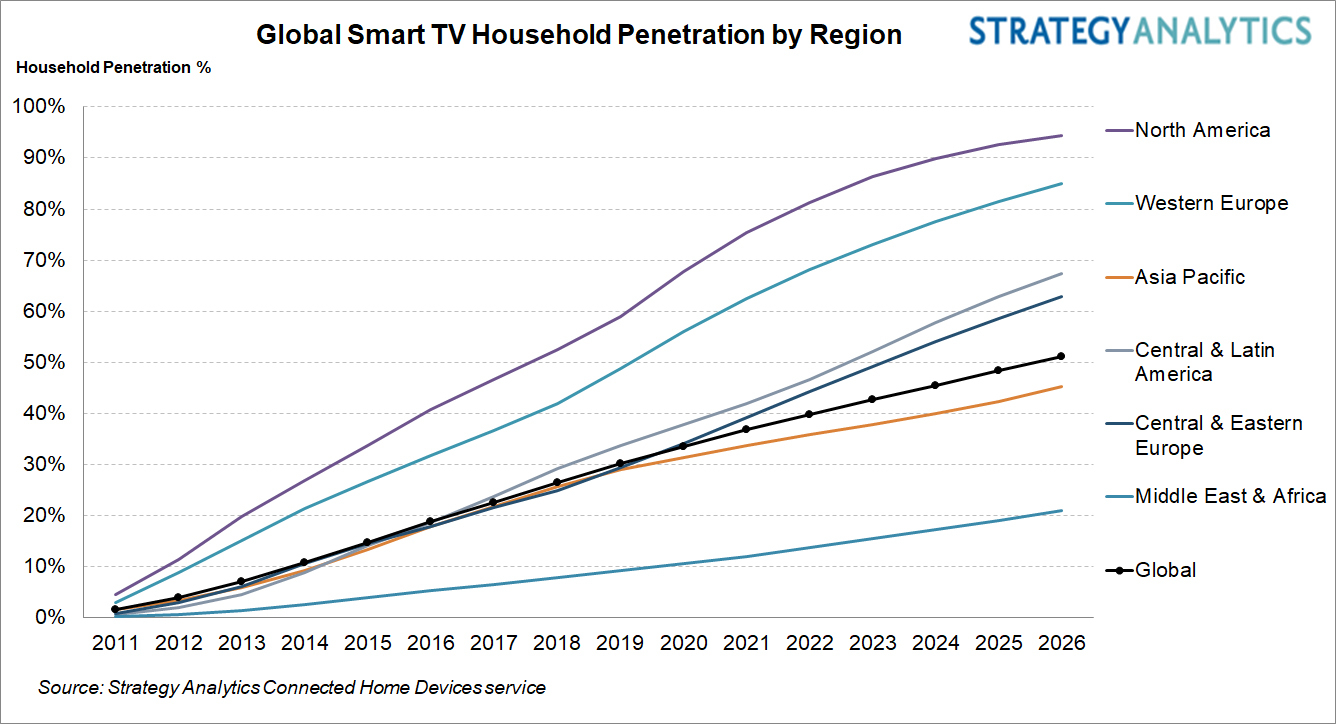
Smart-TV ownership has surged—perfect for big-screen wellness.
How to try it
On Samsung TVs (2023–2025): open Daily+ → Health. Link Samsung Health. On Apple TV: open Fitness+, explore “For Older Adults,” and pair an Apple Watch for on-screen heart-rate. On Roku: search Tai Chi, Parkinson’s exercise, and balance channels. Tip: leave a yoga mat near the TV as a cue; stash a light kettlebell for habit stacking.
Smart takeaway
If your TV can stream eight hours of courtroom drama, it can stream ten minutes of fall-prevention—and that’s a better plot twist.
Robots in Senior Care: From “Cute Demo” to “Please Bring Me Water”

The helpers are here (and they charge themselves)
Social and assistive robots have quietly moved from trade-show sizzle to real-world pilots. ElliQ—the tabletop companion—does check-ins, medication nudges, and gentle “let’s take a walk” prods, with some Area Agencies on Aging subsidizing units for eligible adults. On the practical side, Labrador Retriever carts items from fridge to chair like a slow, careful butler, parking at table height so you don’t bend or lift. The point isn’t replacing humans; it’s reducing friction (the micro-hassles that stop us from moving, hydrating, or taking meds on time).
The real questions
Rugs, pets, long hallways—how do they handle them? What’s local vs. cloud with the microphones? Is there a mute button and a privacy schedule? And who pays—pilot programs, insurance, or subscription rental? Early users swear by “one job at a time”: start with morning meds + check-in, then add more.

Elder-care robots are scaling from pilot to product.
How to make it work at home
Park robots where you already sit (kitchen table, favorite chair). Combine a robot with a smart-plug routine (lamps on at dusk) for safety. Set quiet hours so it doesn’t pep-talk you at 2 a.m. Bottom line: robots won’t replace family; they replace friction.
Born Today — November 11
🎖️ Kurt Vonnegut (1922) — not a technologist, but he did predict we’d be weird online.
👓 Marc Andreessen (1971) — Mosaic browser co-author; the web found its doorway.
🎮 Hideo Kojima (1963) — game-maker who turned stealth into art.
The Doctor Will Zoom You Now: Tele-Health 2.0 (and 3.0 is Loading)

Not a pandemic workaround—an actual workflow
Tele-health has matured from crisis glue to a normal part of care. The trend now is integration: virtual visits inside apps you already use, connected devices sharing readings automatically, and clinics billing for reviewing your at-home data. Expect more virtual urgent care, more mental-health slots, and fewer “fax your blood-pressure log” moments. You’ll still need an in-person visit now and then, but the home↔clinic loop is finally getting smoother.
Why it matters
Earlier appointments, wider specialist access, and less travel—all wins for older adults and caregivers. Clinics like it, too: better triage, fewer no-shows, and the ability to watch trends (not just one scary reading in the office). Homework: ask which platform they use (MyChart, Teladoc, Amwell, HealthTap) and whether they accept remote readings from your upper-arm BP cuff or pulse oximeter.

Tele-health adoption is part of the “new normal.”
Pro tips for better visits
Do a tech rehearsal (camera, light, sound). Put medication bottles within arm’s reach. Keep the BP log handy (or screen-share). If you use Medicare for mental-health tele-visits, confirm any required in-person cadence—keeps the billing gremlins away.
Amazon’s Pharmacy Play Just Got Bigger (and Faster)

From “I’ll pick it up later” to “It’s already at the door”
Amazon is leaning harder into pharmacy: broad delivery coverage, expanding same-day in more metro areas, and an inexpensive RxPass for a basket of common generics. The appeal is obvious—no more parking-lot lines, and refills that show up before your show starts. It won’t beat every Part D copay, so compare prices, but if your meds live inside the RxPass list and you like doorstep logistics, it can simplify life.
What to check before switching
Confirm state rules, your plan’s preferred pharmacy list, and whether your doctor’s e-prescribe defaults to your old pharmacy. Test one maintenance med for a month; make sure the pharmacist chat is easy to reach (after-hours, too). Caregivers: add refill reminders and enable delivery notifications—less guessing, more knowing.

Digital health & virtual-care usage keep climbing—home delivery fits the trend.
Smart takeaway
If your pharmacy line feels like the DMV, try delivery service. Worst case, you go back. Best case, your meds beat the mail.
On This Day — November 11
📡 Armistice signed (1918) — not tech, but a reminder why communication matters.
🖥️ Early PC standards took shape in the 1980s, paving the way for your first “beige box.”
🌐 The web’s roots at CERN remind us: good tools, open doors.
“ID-Text” for the Brain: AI That Hears Early Dementia Risk

From small talk to big clues
Researchers are training algorithms to hear what humans miss: subtle pauses, rhythm changes, word-finding detours. Early studies suggest voice biomarkers could flag cognitive decline earlier than paper tests for some people. This won’t replace neurologists (or grandma’s opinion), but it could nudge earlier checkups—when interventions and planning matter most. Think of it like a smoke alarm, not a fire report.
How it works (simple version)
You read a short passage or answer prompts; the app turns audio into patterns; the model estimates risk and suggests next steps (more testing or “all clear, see you next year”). Great potential, but privacy matters: where are recordings stored, can you delete them, and who gets access? If you try a pilot, export the report and bring it to your clinician— ask whether they combine it with blood biomarkers or cognitive screens.

What voice biomarkers measure vs. traditional biometrics.
Smart takeaway
If your phone can hear a song and name it, one day it may hear a pattern and say: “let’s check that—early.”
Digital Medicare Cards Are Coming (and Yes, Scammers Are Too)

Less clipboard, more click—if we do it right
Medicare is slowly swapping paper shuffles for digital eligibility and API-powered checks. Imagine a front desk scanning a code on your phone and instantly confirming coverage—no typing your name five times. Rollouts will be phased and plan-specific; expect features to show up inside your insurer’s app before there’s a universal “Medicare Wallet.”
How to stay safe
Scammers love moments like this. Never click “Your new digital Medicare card is ready” links in texts/emails. Go straight to Medicare.gov or your plan’s official app. Turn on passkeys/biometrics and two-factor. Protect your physical card; don’t share your MBI unless you initiated the call.

Phone ➜ clinic ➜ insurer/CMS, with security wrapped around it. That’s the vision.
Smart takeaway
Digital cards should kill the clipboard. Just don’t let them birth a new scam folder in your inbox.
Linky Links
🛡️ Scam patterns this week: “package held,” “bank account locked,” “Medicare e-card ready.”
🔑 A simple explainer on passkeys vs. passwords.
🎨 Revive old photos with Topaz Photo AI or MyHeritage (fun weekend project).
If you learned something new today, your Wi-Fi signal just got stronger — at least metaphorically. Here’s to sharper minds, steadier hearts, and smoother mornings.
From Your Seniorish Medical Team 🩺 (and Tech pals 🤖)
We’re not pros — just curious, well-read friends. Nothing here is medical, financial, or security advice; always check with your clinician or trusted pro.